For our full, in depth four page internet page Aquarium/Pond Medications page, please click on the picture below:

AQUARIUM MEDICATIONS; Part 1

Including Separate pages for:
Antibiotics/Antimicrobials, Chemical & Parasite Treatments, & Organic Treatments

Further Recommended Reading:
Fish Diseases | How to Treat Sick Fish
TRUE Aquarium UV Sterilization; How to Use a UV-C Sterilizer


Aquarium Information
-A great source for current aquarium information that is updated regularly as new research become available.

Chloroquine Phosphate, Quinine Hydrochloride-Sulfate for Aquarium
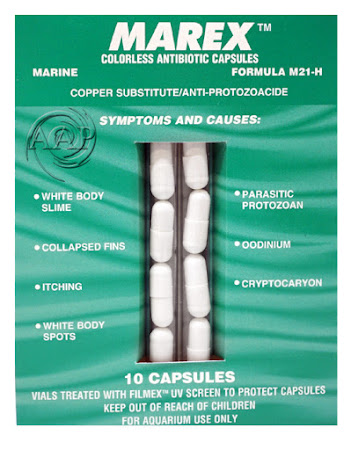
 

Chloroquine Phosphate, AAP Marex

Chloroquine Phosphate, Quinine Hydrochloride, & Quinine Sulfate are anti-malarial drugs that are also often very effective for single cell ecto-parasites in fish, especially Cryptocaryon, Oodinium, Brooklynella, and occasionally Ichthyophthirius Multifilis and flukes in freshwater

Quinine drugs work by causing a pH elevation in intracellular organelles of parasites, this is thought to disrupt the intracellular transport of membrane components and macromolecules, and phospholipase activity leading to cellular failure of these parasites.

Chloroquine was developed from Methylene Blue (also used starting in 1891 as an anti-malarial drug) & Quinine Sulfate in 1934. The formula of Chloroquine & Methylene Blue is also similar (MB: C16H18ClN3S / Chloroquine: C18H26ClN3).

In marine aquariums, Chloroquine Phosphate is generally the better choice over Quinine Sulfate. Chloroquine Phosphate is more effective from my experience (but also more easily and fatally overdosed). When combined in a synergistic combination with Pyrimethamine, as in the product "AAP Marex", it is even more effective for treatment of Oodinium as well as other Ectoparasites and Flukes (Pyrimethamine is generally used to treat serious parasite infections [toxoplasmosis] of the body).

Chloroquine Phospate is a drug that degrades quickly in water and must be pure to be effective, with most aquatic sources are not 99% pure.
With this in mind be mindful of the discount aquarium product seller placebo product "New Life Spectrum's Ick Shield Pellets", even assuming properly soaked with pharmaceutical grade 99% pure Chloroquine Phosphate (which is doubtful), this product simply cannot work because Chloroquine Phosphate has only been proven to successfully target the free swimming stage of EXTERNAL parasites. Which is why you must dose the powder in a hospital tank. There is no proof it is effective on trophonts feeding on the fish. Even if food soaking were somehow effective on preventing trophonts from attaching, you'd have to be sure each & every one of your fish ate it for 72 consecutive days.
Bottom line, AVOID this product.

The above referenced from this article:
Aquarium Medications Part Two; Quinine
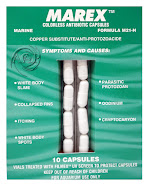
Marex This combination found in AAP Marex works more quickly than chemical treatments such as copper since it immediately acts on the parasite, including in gill filaments, which copper and many other chemical treatments only act on free swimming stages of many Ectoparasites.
This synergistic Chloroquine Phosphate/Pyrimethamine combination is the fastest acting treatment I have ever used for Oodinium, although I have often found a follow up treatment with Copper or keeping the main aquarium without fish for 4 weeks will improve long term results (as copper seems to have more long term permanent killing power).
This combination of Chloroquine Phosphate/Pyrimethamine is also an excellent treatment for gill flukes in freshwater and can generally be safely combined with Praziquantel for severe cases.

Further Reading: Marine Oodinium Disease | Brooklynella & Amyloodinium Ocellatum


ADVERTISEMENT


Malachite Green & Quinine Hydrochloride for treatment of fish Ich
Quinine Sulfate/Hydrochloride is useful for resistant strains of Ich (especially on scale less fish), as well as Protozoan caused sliminess of the skin and Rams disease (symptoms of whirling disease).
Also useful for resistant strains of Hexamita when combined with Metronidazole.
When Quinine Hydrochloride is combined with Malachite Green, this is one of the most effective and proven Ich and similar single cell ectoparasite treatments available! AAP Super Ich Plus is one such product that combines both and is the Ich treatment of choice for difficult cases of Ich (although for sensitive fish such as Cory Cats & Loaches this product/combination should be used at half dose and combined with Triple Sulfa).

DOSAGE : 250 mg per 10 gallons of water. Once a day for 4-5 days. Do a 25% water change before each treatment. Quinine Hydrochloride is generally safer than Quinine Sulfate more effective when available.

Quinine/Chloroquine is found in (Recommended place to purchase to support this free information & the professional aquarium keeping hobby):

*AAP Super Ich Plus (Malachite Green & Quinine Hydrochloride)
*AAP Greenex (Marine version of Super Ich Plus)
*AAP Marex
*AAP PolyGuard (as quinacrine)


Suggested other aquarium information resources & products:
Fish Diseases, How to Treat Sick Fish
Fish Diseases | How to Treat Sick Fish

Aquarium Medications, Use of replacement UV Bulbs for disease prevention
Replacement Aquarium/Pond UV Bulbs

Replacement of your UV Sterilizer's UV Bulb/Lamp every six months with a true level 1 capable bulb is a MUST for optimum disease prevention and aid in Redox balance.
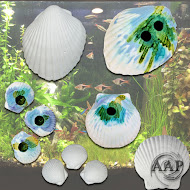
Wonder Shell
AAP Wonder Shells

The ONLY Authorized online seller of the full line of this unique product. Only FRESH product, not clearance product!!

Hydro Sponge Filter

AAP Hydro Sponge Filters


THE PREMIUM Aquarium Sponge Filter with as much as 5 TIMES the bio and mechanical capacity of commonly sold Chinese knock offs!!
Definitely worth the extra $1-3


Labels: , , , , ,

Aquarium Fish Merbromin External Columnaris-Bacterial Treatment


MERBROMIN OVERVIEW:

AAP Merbromin for Aquarium, Pond Fish Wound treatment, Columnaris Merbromin is a lessor known product to many newbies in the hobby due to difficulty in obtaining, but to those who have been in the industry and hobby for a long time its benefits are well known.
In fact this is a product NO SERIOUS AQUARIUM KEEPER SHOULD BE WITHOUT, especially when one considers its low costs and benefits

Merbromin (AKA Mercurochrome) is a topical antiseptic often used for minor cuts and scrapes in people. Merbromin is an organomercuric disodium salt compound and a fluorescein.
It is useful on external infections because of its permanence, and lethality to bacteria, in particular Columnaris.

Part of the difficulty of obtaining this product was concerns over its mercury content, however due to the low cost versus high costs of producing studies to disprove these allegations (which were never proven), most production has stopped for human use.

External Columnaris treatment using Merbromin from American Aquarium

HERE IS FURTHER INFORMATION (Courtesy American Aquarium):

  • AAP/Aquatronics Wound Control/Merbromin is a swab or paint-on disinfectant with PVP emulsifier for: wounds, scrapes, and abrasions as well as opportunistic bacterial infections that often result from these problems.

  • A topical antiseptic and oxidizer used for injuries, exposed wounds & open sores (with both bacterial and fungal infections), and exposed multi cell parasites such as Anchor Worm.
    Due to its anionic character, it is often an excellent choice for exposed EXTERNAL bacterial or fungal pathogens (including some parasites or at least secondary infections there of). However for this same reason if much living tissue is exposed or for gills, Methylene Blue would be a better choice.

  • A scrape against rocks or a bite on the scales can result in a serious infection. The simple process of catching the fish and painting the affected area will often prevent more serious problems or aid in an in tank or hospital tank treatment with antibiotics for more serious infections.
    Wound Control should also be used after any operation such as extraction of visible parasites.

  • All Fish safe assuming the fish can be safely handled without causing further injury.

  • USE:
    Net the fish. Gently use the net or hand to hold the fish in place (applying Req-Q, StressGuard or similar to your hand or net prior to application may be helpful). Apply Wound Control through the net or use a cotton swab to apply directly on the area.
    Place the fish in a hospital tank or quarantine box if possible & treat in tank if needed (Consider following the application of Wound Control with a Medicated Fish bath too). In a calm protected area the fish heal faster and less fish stress will occur when catching the fish.

RESOURCE:
AAP Merbromin

Further Reading:


Suggested other aquarium information resources & products:

Fish Diseases, How to Treat Sick Fish
Fish Diseases | How to Treat Sick Fish

Freshwater Aquarium Care

Aquarium Medications, Use of replacement UV Bulbs for disease prevention
Replacement Aquarium/Pond UV Bulbs

Replacement of your UV Sterilizer's UV Bulb/Lamp every six months with a true level 1 capable bulb is a MUST for optimum disease prevention and aid in Redox balance.

Aquarium UV Sterilization, sterilizer use, heater information
Aquarium/Pond UV Sterilizer Use

This article covers many aspects of Aquarium & Pond UV Sterilization from how, why, facts, myths, and maintenance including the importance of changing UV Bulbs regularly.


ADVERTISEMENT


Oregon Grape, Berberine for Aquarium Fish Treatment


OVERVIEW:

Oregon Grape Root Plant for Aquarium Fish MedicationBerberine is a plant based alkaloid that has been used medicinally for a long time in both Ayurvedic and Chinese medicine.
The Berberine alkaloid is present many plants including: Hydrastis canadensis (goldenseal), Coptis chinensis (Coptis or goldenthread), Berberis vulgaris (barberry), Berberis aristata (tree turmeric), and most notably Berberis aquifolium (Oregon grape).

The berberine alkaloid is generally found in the roots, rhizomes, and stem bark of the plants.
Berberine extracts and extractions via boiling of dissolved chemicals in the plant roots have demonstrated significant antimicrobial activity against a variety of organisms including bacteria, viruses, fungi, protozoans, helminths, and chlamydia.

Currently, the predominant clinical uses of berberine in human use includes bacterial (especially of the gut) diarrhea, intestinal parasite infections, and ocular trachoma infections.
Oregon grape root has synergistic antibacterial, anti-inflammatory, and bile-stimulating properties as well.

The picture above shows an Oregon Grape Root Plant along with the rhizomous roots with their brilliant yellow pigment in the inner bark shown in the inset.


ADVERTISEMENT


AQUARIUM USE IMPLICATIONS:

Aquarium or pond use of Oregon Grape Root is still in its infancy as of writing this article, however based on human use, and how this this product works, there is clearly a lot of promise as both a treatment of its own and as a back up to other treatment in wide ranging problems from Columnaris to internal parasites of fish.

Oregon Grape Root has potential to aid in antibiotic effectiveness in treatment of difficult to treat diseases such as Columnaris as it contains a specific multi drug resistance pump inhibitor (MDR Inhibitor).

Resistant bacteria work by utilizing a pumping mechanism in its cell that when antibiotics enter that cell the pump immediately pumps out the antibiotics so it can have no effect on the MRSA cell. Oregon Grape Root works by blocking the bacteria's ability to pump out antibiotics.
Quoted Reference: [1]

Here is a list of Potential Treatments using Powdered Oregon Grape Root:

  • Eye infections
  • External wounds
  • Mouth infections
  • Inflammation
  • Intestinal Parasites
  • Digestive issues, including Dropsy

Use; Solaray Oregon Grape Root CapsulesDo NOT use tinctures, rather powdered forms that are generally available in capsule form, although concentration can vary greatly (I recommend Solaray brand from Nutraceutical, but I have not tried evert brand either).

Current and experimental use is opening a 400 mg Oregon Grape Root Capsule into 10 gallons of water along with the antibiotics such as Nitrofurazone and Kanamycin. This can be added to the aquarium or a fish bath that also employs Methylene Blue and possibly other antibiotics (20-30 minutes in a fish bath).
Use in conjunction with other medications is suggested in most moderate to serious infections or internal worm infestations.

References:

Organic Aquarium Medications; Oregon Grape Root

Aquarium, Fish Parasites, Worms; Treatment of Internal Nematodes

Oregon Grape; Wild Medicines

From medical herbalism to phytotherapy in dermatology: back to the future

hBerberine

I personally have had the best results from the Solaray brand of Grape Root capsules, likely do to purity of the powdered grape root in the capsules

Product Resource:
Solaray Oregon Grape Root

Suggested other aquarium information resources & products:

Fish Diseases, How to Treat Sick Fish
Fish Diseases | How to Treat Sick Fish

Aquarium Medications, Use of replacement UV Bulbs for disease prevention
Replacement Aquarium/Pond UV Bulbs

Replacement of your UV Sterilizer's UV Bulb/Lamp every six months with a true level 1 capable bulb is a MUST for optimum disease prevention and aid in Redox balance.

Aquarium Medications, do not purchase at Amazon
Purchasing Aquarium & Pond Equipment via Amazon


Amazon Reviews for Aquarium Products

Aquarium Medications, beware of aquarium forums for information
Aquarium Forums for Information such as LED Lighting, UV, Filters, more


Labels: , , , , ,

Aquarium Copper Facts and Use; Cupramine, Copper-Safe, Testing


Revised: 1/16/19

Copper Aquarium Treatment

Overview:
Copper has long time been used for treatment of aquarium algae, fish parasites, and snail eradication. This includes external treatment of freshwater and marine Ich, Oodinium, and fungus. It is has been said on popular aquatic sites, that people are attracted to using Copper as a treatment in the display tank, because it does not discolor the tank, but with using Copper, caution and some understanding does needs to be involved. Improper use can cause harm to the tank. Water chemistry and other environmental factors will determine dosing details of the Copper treatment.

The Copper used for treatments can stay in a tank for close to a month. If there are any live rocks or ornaments in the tank, the Copper will be absorbed into the material and slowly lech it's way back out. There are only certain ways to remove the Copper from the water, which is one reason to use caution. This is something I will go into later in this post.

A certain level of Copper concentration is required for an effective treatment, and is different depending on tank needs. These therapeutic levels can become toxic to other fish species and invertebrates in the tank. This is another reason why caution needs to be used with this treatment. Chronic use of Copper will affect fish health. Higher levels can damage fish gills and other body tissues. It has also been shown that there is a decrease in fish immunity, with chronic use (Yanong2, 2013).

The use of Copper in low pH can become even more toxic, so much more caution needs to be used. Not only is copper more toxic in acidic water, but the acidic water itself can be a problem. In fact, when the pH is below 6.4, the helpful, nitrifying bacteria in your aquarium begin to stop functioning.

Here are some caution Copper levels to be aware of:

  • Dangerous level of copper for shrimps is 0.03 mg per litre.
  • Dangerous level of copper for algae and bacteria is 0.08 mg per litre.
  • Dangerous level of copper for some fish, snails and plants is 0.10 mg per litre.
(aquariumwiki,2014)

Copper will need to be maintained at least at 0.12-0.18 mg/L and for a therapeutic level and for no less than 14 days(Blasiola,2000,p.146).

Here are some therapeutic levels that will help:
  • .15-.20 ppm for Oodinium/Brooklynella (most freshwater applications)
  • .20-.25 ppm for Crytocaryon

A note for marine tanks, the amount of copper you will need to add for treatment, will be high initially, but then will need to be brought down over subsequent days. Copper will be absorbed into corals and substrate, to the point no more Copper is absorbed. This needs to be taken into account when attempting to maintain a therapeutic level.

This is mainly important for treatment of display tanks, but is not something to worry about for bare hospital tanks.

Note: Copper basically kills parasites by poisoning them more than the fish, so never over dose!

Always have a copper test-kit on hand! Copper Test Kit

Do not use with snails and invertebrates. Do not use in reef aquariums and note; when used as an algaecide, the copper is absorbed by the algae then released when it dies.

Basic Copper:
Copper is a heavy mental that can be found naturally in many forms. The form of Copper that is typically used in aquarium set-ups Copper Sulfate, or properly known as Copper Sulfate Pentahydrate. The reason this form of Copper is used, is when it is placed in water it dissolves and attaches to the most water molecules. During this process, Copper Sulfate splits into Copper (Cu2+) separately and Sulfate, along with water. It is strictly the Copper (Cu2+) that is measured and used to combat a number of issues within the tank. Like stated before, maintaining proper levels of Copper Sulfate can be difficult because of other components in the tank, such as Carbonates, which are part of Dolomite, which when dissolved can become complex and remove the Copper. Also, other living organisms can bind to the element, which effects levels.

There is also Chelated Copper, which is a compound added to Copper Sulfate. These agents help keep Copper in a solution by forming a ring structured Copper. These complexes become stable in a different form and more of a complex form of treatment. For the most part, most aquarium keepers use Copper Sulfate rather than Chelated Copper, because of the strength and the difference in effort to remove the treatment from the tank. The use of Chelated Copper is advised only in hospital tanks.

Because Copper can be difficult to dose, after figuring out the amount needed for your tank and needs, start the dosing amount at half the amount! This is best done by mixing the Copper Sulfate with some distilled water. In marine tanks, add half of the mixed solution to the sump and the other half to the tank, so to miss all of the "hot spots" in the tank. Make sure not to add high amounts of Copper to the sump as it can damage the biofilter by killing beneficial bacteria. After the Copper has been in the water cycle long enough and has equally distributed, then measure the Copper levels. Add more Copper, allow it to mix and re-measure until the concentration levels are met.

Often, due to binding (adsorption) of Copper to components of the system, more Copper than the amount calculated initially will be needed to reach the appropriate concentration. Copper measurements should be taken twice a day, with more copper added if necessary. As discussed previously, treatment may last 3–4 weeks or more, depending upon the target organism and specific situation.


ADVERTISEMENT


Treatment:
Treat based on what solution you are using, but try to bring your Copper level to .15 -.20 ppm for Oodinium/Brooklynella (and most freshwater applications) and .20- .25 ppm for Crytocaryon. Please revisit the therapeutic levels I stated above. Generally, it is easier to maintain these levels, while not having to do repeat testing and follow-up dosing, while using Chelated Copper, but please remember the use of a hospital tank. When treating a tank, make sure all materials and filtration component (ie. carbon) are removed. If necessary, high organic bioloads or detritus should be removed. Baseline water parameters should be check prior to treatment. This includes, ammonia, nitrite, pH, temperature, alkalinity, and salinity. Gradually dose to the therapeutic level over a 2-3 day span. This allows time for the fish to increase internal and physiological mechanisms to protect their bodies against the toxicity.

Contraindications:

  • Wait 2-4 hours to add after use of any water Redox reducing water conditioners. This will include SeaChem Prime, Kordon Novaqua, Kordon Amquel, Jungle Start Right, API Stress Coat, etc.
  • Use in aquarium systems that have an established healthy bio filter.
  • Do not mix with Sulfa based treatments/medications.

Removal:
High quality active Carbon will do the trick for removing Copper. You can place a separate filtration unit containing fresh, activated charcoal at the rate of 170 grams per 57 liters of water (about 0.375 lbs per 15 gallons) on a system to remove Copper. Once all the water has cycled through the carbon, test for free copper concentration. If Chelated Copper has been used, water changes will be necessary. Dolomite may also be used, if it is removed afterward. If tests continue to show a high free Copper concentration, a complete water change may still be required to remove copper from the water. Copper levels should be monitored throughout this process and for several weeks afterward, in case Copper that was previously bound to substrate or complexed in solution, is released as free copper.

WHERE TO PURCHASE:


VIDEO

Best Aquarium & Pond Medications
AAP Professional Aquarium & Pond Medications

THE BEST AQUARIUM TREATMENTS ANYWHERE IN THE WORLD! Fresh Product found EXCLUSIVELY at AAP

References:


Suggested other aquarium information resources & products:

AAP Spectrogram Fish Columnaris Treatment
AAP Spectrogram

THERE IS NO MORE EFFECTIVE treatment for Fish Columnaris!!


Fish Diseases, How to Treat Sick Fish
Fish Diseases | How to Treat Sick Fish

Hydro Sponge Filter

AAP Hydro Sponge Filters


THE PREMIUM Aquarium Sponge Filter with as much as 5 TIMES the bio and mechanical capacity of commonly sold Chinese knock offs!!
Definitely worth the extra $1-3


Labels: , , , , , , , , , , ,

Praziquantel as an Aquarium Fish Treatment for Worms, etc.


Praziquantel, Prazipro
Praziquantel is an anthelmintic (an-thel-MIN-tik) or anti-worm medication.

It aids in preventing worms and treating infections caused by the worm.
Praziquantel treats schistosoma (infection of worm that lives in the bloodstream), liver flukes (infection of worm that lives in or near the liver), and gill fluke (infection of worms that live on the gills).
It also treats skin flukes, flat worm, tape worms, and turbellarians (sub-division of flat worm).
Praziquantel does NOT treat pinworms or roundworms.

Fish Gill Fluke attached to gill filament
The picture to the left displays a magnified Gill Fluke. The inset shows a a lessor magnification attached to a gill filament.


Praziquantel works by causing major spasms to the worm causing them to be paralyzed.
The worm is then destroyed in the intestine of the host or is passed through the body of the host through their stool.
Praziquantel can be used in humans, cats, dogs, fish, and others.

The advantage of Praziquantel is that it's harmless to all species including fish and is not toxic to plants. It also has no negative impact on aquarium filters, while clearing the worms fast and fully, even with fry.
However, Praziquantel is not the strongest for more serious intestinal worms/parasites. For more serious cases the best choice (while still safe) is Pipzine
Resource: AAP Pipzine


ADVERTISEMENT


Treatment:

For fish use, in tank treatment is the best.
The medication is absorbed directly from the treated water into the fish.

Typically, one treatment is all that is needed to cure the infection. The traditional suggestion for fluke infestation is repeating a single treatment in four or five days after the first treatment is given to kill emerging larvae which may have survived.

There are no known side effects of Praziquatel, but there have been studies to show it can become toxic in high volumes, which are somewhere around 40x to 50x greater than recommended dosing.

Further recommended use of this medication for fish requires any carbon to be removed from the tank and UV sterilizers to be disconnected from electrical power (turned off).
This is due to both of these striping the medication out of the tank, making it useless. The medication can also be administered by soaking the fishes food (10-15 mins) in the Praziquatel and then feeding to affected fish.

For more information on food delivery of medications, please see:
Aquarium Medications

Sources of Praziquatel:

For further information on flukes and worms, please see this excellent article:
Aquarium Answers Parasites Article

To step up to a higher level of Aquarium/Pond Fish Care, I highly suggest reading this article that provides factual information about the use of UVC Sterilization to prevent fish disease, not only directly but more importantly by improving fish immune response by also improving water parameters such as Redox Balance:


References:


VIDEO

Best Aquarium & Pond Medications
AAP Professional Aquarium & Pond Medications

THE BEST AQUARIUM TREATMENTS ANYWHERE IN THE WORLD! Fresh Product found EXCLUSIVELY at AAP

Suggested other reading & aquarium products:

AAP Spectrogram Fish Columnaris Treatment
AAP Spectrogram

THERE IS NO MORE EFFECTIVE treatment for Fish Columnaris!!


Fish Diseases, How to Treat Sick Fish
Fish Diseases | How to Treat Sick Fish

Wonder Shell
AAP Wonder Shells

The ONLY Authorized online seller of the full line of this unique product. Only FRESH product, not clearance product!!

For PREMIUM Replacement UV Bulbs that are the best low pressure high efficiency bulbs, not the 7-14% poor efficiency bulbs sold on eBay or Amazon for prices lower than it costs to make the better low pressure UV Bulbs:
High Efficiency UV Bulbs


For premium USDA food grade certified aquarium silicone sealant:
Premium Aquarium Silicone
Most silicones are not USDA certified, thus you are placing your fish in an environment that may be less safe if you use these lesser silicones sold at most hardware and even pet stores.

Labels: , , , , , , ,

Tetracycline; for Fish in Aquarium or Pond


Revised 11/27/21

Tetracycline Hydrochloride for Aquarium FishTetracycline Hydrochloride is derived obtained from Streptomyces aureofaciens (and other antibiotics of natural origin) or occasionally synthetically from oxytetracycline.

All antibiotics derived from streptomycetes are generally Gram-positive, although Tetracycline Hydrochloride and other antibiotics derived from streptomycetes can have some gram negative activity as well. Also, Tetracycline Hydrochloride is generally more effective for aerobic bacteria
Because it is primarily gram positive, it is generally a poor choice for Columnaris (Flexibacter). Another related antibiotic is Minocyline which can be effective (but still not a first choice for Columnaris though) and it is often confused with Tetracycline Hydrochloride.

AAP Doxycycline, Fin and Body Cure

Really the only possibly effective Tetracycline product for Columnaris is Doxycycline (which really should be the only Tetracycline product you would use in an aquarium.
Resource: AAP Doxycycline (Fin & Body Cure)

Please Reference: Columnaris in Aquarium Fish


ADVERTISEMENT


Tetracycline MoleculeWhen absorbed, Tetracycline is widely distributed to the organs and tissues of fish. It is eliminated unchanged primarily via the Kidneys and may accumulate with repeated dosing in fish with impaired renal function such as with many cases of Dropsy (which generally makes Tetracycline a poor choice for Dropsy).

Tetracycline Hydrochloride mode of action is as a protein synthesis inhibitor via an aminoacyl-tRNA binding mechanism to the 30S subunit. Mode of resistance is the loss of cell wall permeability. Tetracycline is best used in the treatment of bacterial infections that are gram-positive and SOME gram-negative infections in fish and interferes with the production of proteins that the bacteria need to multiply and divide (bacteriostatic). However many bacterial pathogens have developed resistance to Tetracycline Hydrochloride.

Common uses for Tetracycline Hydrochloride in fish include (generally gram positive causes of these symptoms);

*Streptococcus
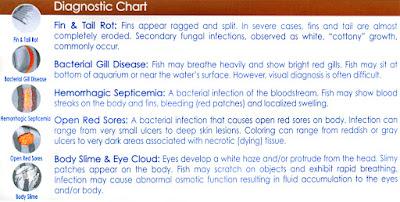
*Fin and tail rot (split, ragged and deteriorating fin and/or tail)
*Popeye (protruding eyes, may be cloudy or hazy)
*Gill disease (swollen, discolored gills, gasping for air and a decrease in activity)
*Some secondary infections after treatment of other infections or parasites.
Reference: Gram Positive Streptococcus in Fish

Warnings:

I do not recommend the use of Tetracycline Hydrochloride for bleeding or ulcers in fish as Tetracycline has been shown to cause anemia in fish (and also humans to a lesser degree, which is the last thing you want to do with a bleeding fish.

Tetracycline can lower red blood cell count, because of this I would not use with injured fish. Tetracycline becomes dangerous past its expiration date. While most prescription drugs lose potency after their expiration dates, tetracycline can become toxic over time.

Side effects include: neutropenia (a condition of an abnormally low number of white blood cells), producing a “brown foam” on the surface of the aquarium especially for marine aquariums, and potential destruction of nitrifying bacteria.
s well, Tetracycline Hydrochloride is easily absorbed where calcium is present in larger quantities, which often renders this antibiotic useless in saltwater and high GH (hard water) freshwater aquariums.

The combined use of Tetracycline AND Erythromycin should be avoided (the side effects of these two antibiotics combined will generally negate any benefits obtained when used in combination).

Summary:

Tetracycline Hydrochloride can be a useful antibiotic, especially when others fail, however Tetracycline is more useful in warm blooded animals (humans and Veterinary) than in fish.

USAGE:

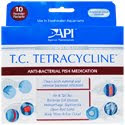
Directions from API Tetracycline; 250- 500 mg per 20 gallons of water. Every 48 hours (24 hours for severe issues) with a 25% water change before each treatment. This product will not work in water with a ph above 7.5- NOT FOR MARINE USE! (also not effective in freshwater aquariums with a pH above 7.6)

PRODUCTS CONTAINING TETRACYCLINE OR RELATED ANTIBIOTICS:

*API Tetracycline, for purchase from AAP
*API Doxycycline (Fin & Body Cure), from AAP
Recommended sources to purchase based on extensive aquarium and pond professional experience dating back to 1978.

REFERENCES:

*Aquarium Medications Part 2

*http://en.wikipedia.org/wiki/Streptomyces
*http://ratguide.com/meds/antimicrobial_agents/tetracycline_hydrochloride.php


Further Suggestions:
Prevention of disease is important, please maintain your water chemistry including KH, GH, pH, Ammonia, Nitrites, and even Redox, as all these parameters play a role in disease prevention.

The use of a UV Sterilizer maintained by changing the UV Bulbs every six months can be helpful in prevention (including Redox).
Product Reference Links:
*For UV Sterilizers:
http://www.americanaquariumproducts.com/UVSterilizers.html
*For premium high out put UV Replacement Bulbs:
http://www.americanaquariumproducts.com/UVCReplacementLamp.html

Suggested other aquarium information resources & products:

Fish Diseases, How to Treat Sick Fish
Fish Diseases | How to Treat Sick Fish

For Aquarium Disease Prevention:
*Aquarium Disease Prevention

Aquarium UV Sterilization, sterilizer use, heater information
Aquarium/Pond UV Sterilizer Use

This article covers many aspects of Aquarium & Pond UV Sterilization from how, why, facts, myths, and maintenance including the importance of changing UV Bulbs regularly.

*Aquarium Lighting
The most up to date and researched article on the subject of aquarium light use for fresh or saltwater aquariums.

*TMC Premium Reverse Osmosis Water Systems for Aquariums

Hydro Sponge Filter

AAP Hydro Sponge Filters


THE PREMIUM Aquarium Sponge Filter with as much as 5 TIMES the bio and mechanical capacity of commonly sold Chinese knock offs!!
Definitely worth the extra $1-3


Labels: , , , , , ,

Metronidazole; by SeaChem, API, More


SeaChem Metroplex, Metronidazole Revised 1/16/19

Metronidazole is an antibiotic (for anaerobic bacteria) and anti-protozoal medication used to treat various conditions internally and externally in fish.

As for Anaerobic bacteria, these are bacterium that thrive in environments in which there is little oxygen (anaerobic environments) and can cause disease in such environments as the intestinal tract and liver.

Metronidazole belongs to a class of antibiotics known as nitroimidazoles which work by ceasing the growth of bacteria and protozoa. Metronidazole works by selectively blocking some of the functions within the bacterial cells and some parasites resulting in their death.
Metronidazole is metabolized in the liver (whether a fish or a human).

Metronidazoles primary use is for the treatment of ANAEROBIC gram positive & SOME negative bacteria including those that produce beta-lactamase.
However, it is not effective against aerobic bacterium. This means Metronidazole is a poor choice for suspected bacterial diseases in open heavily oxygenated aquariums/ponds such as Columnaris, while it is an excellent choice for diseases of the low/no oxygen environment of the intestinal tract or other internal suspected bacterial pathogens (generally used ina fish food soak for best results).
Metronidazole may be a good choice for any bacterial disease present in low oxygen, high bio-load aquariums or ponds.

As well Metronidazole is effective for some protozoa.
It was originally found effective for the management of infection caused by Trichomonas vaginalis.
For fish applications Metronidazole has been shown to be in particular more effective for internal and external flagellates.

Metronidazole is also sometimes effective for other protozoan parasite infections, especially for Cryptocaryon in marine aquaria as well as Hexamita & Ichthyophthirius.

Metronidazole is often recommended for disease in Cichlids which is often thought to be caused by Hexamita, HOWEVER there is considerable evidence that the cause of "Hole in the Head" is simply the lack of Calcium and even positive calcium ions. This is especially common in aquariums utilizing water softened using sodium chloride or potassium chloride to drive out hard water minerals.
Use of such water should be ceased prior to using Metronidazole and as well, the use of products such as Wonder Shells mineral blocks should also be used first before treating with Metronidazole (or combined).
References:
Hole in the Head Disease
AAP Wonder Shells; Unique Version

Due to Metronidazoles effectiveness against anaerobic bacteria by selectively blocking some of the cell functions of anaerobic bacteria, Metronidazole along with Neomycin is a good choice for bloating of the digestive tract (common in goldfish).
Metronidazole selectively blocks some of the cell functions in anaerobic bacteria, resulting in their demise.

Metronidazole is also effective used in combination (such as with Praziquantel) or by itself for internal parasites such as Nematodes or Trematodes.
In marine aquarium infections is where Metronidazole really shines as it is very effective internally and since Marine fish are always drinking the water around them, medication is easily transported to the infected area.
In Freshwater, treatment can be improved by soaking food as well and this is still an effective freshwater treatment as well.


ADVERTISEMENT


USAGE:

Directions from SeaChem Metronidazole; use 100 mg. for every 10 gallons (40 L).
Repeat every 2 days until symptoms disappear.
Make sure any UV Sterilizer (if used) is turned off and any carbon, Purigen, Chemipure or similar chemical filter media is also removed during treatment.

To feed (use as for a medicated food), use 100 mg. with approximately i tablespoon of frozen or dried food (fried food would need to be placed in just a enough water to cover and make wet/moist). Feed until symptoms disappear.
Introduction of Metronidazole to the aquarium water when feeding is OK.

Metronidazole can also be used in a fish bath. This is generally performed at double the "in tank" dose as per amount of water used in this bath. I recommend the use of Methylene Blue and maybe salt during this bath treatment too (once or twice per day for 7-10 days).
See: Fish Baths, Dips, Swabs

As with ANY treatment regimen, it is extremely important to follow correct procedures that includes addressing ALL water parameters and stressors (including oxidative stress.
Please read this easy to read article and follow ALL advice given as to proper treatment regimens:
Fish Diseases | How to Treat Sick Fish

PRODUCTS CONTAINING METRONIDAZOLE:

*SeaChem Metronidazole, for Purchase
Recommended source to purchase based on extensive aquarium and pond professional experience dating back to 1978.
SeaChem's Metronidazole is the MOST PURE and easily used form of this antibiotic available to the fish keeping community


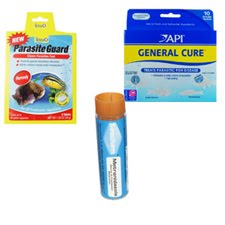
*API General Cure, for Purchase Contains Metronidazole & Praziquantel

VIDEO:

Best Aquarium & Pond Medications
AAP Professional Aquarium & Pond Medications

THE BEST AQUARIUM TREATMENTS ANYWHERE IN THE WORLD! Fresh Product found EXCLUSIVELY at AAP

REFERENCES:

Aquarium Medications 2; Antibiotics, Antimicrobials

*How Medications Work, and Which Ones to Use and Not to Use

Suggested other aquarium information resources & products:

AAP Spectrogram Fish Columnaris Treatment
AAP Spectrogram

THERE IS NO MORE EFFECTIVE treatment for Fish Columnaris!!


Fish Diseases, How to Treat Sick Fish
Fish Diseases | How to Treat Sick Fish

Aquarium Metronidazole, UV Sterilizer Use
Aquarium UV Sterilization; How UVC Sterilizers Work

Aquarium Medications, do not purchase at Amazon
Purchasing Aquarium & Pond Equipment via Amazon


ALSO FROM THE ABOVE WEB SITE:
YouTube & Facebook for Aquarium Keeping Information

Aquarium Metronidazole, SeaChem Products

SEACHEM PRODUCTS

Some of the best aquarium treatments available.


Wonder Shell
AAP Wonder Shells

The ONLY Authorized online seller of the full line of this unique product. Only FRESH product, not clearance product!!

Aquarium Metronidazole, Heaters

Aquarium Heaters; Submersible Quartz, Titanium


Labels: , , , , , , , , , , ,